

David’s GT2 Miata Takes Season Win at Autobahn
Built to Win a Championship: David’s GT2 Miata Takes 1st Overall at Autobahn
Winning a season championship is different than winning a race. It demands consistency, reliability, and a car that performs the same way every time it goes on track.
At Autobahn Country Club, GT2 is one of the fastest and most serious classes on the schedule. The class runs a 7:1 power-to-weight ratio, allows non-DOT slick tires as standard, and permits full aerodynamic packages with no penalty, creating a field packed with high-downforce, high-power cars. Cayman GT4 Clubsports, BMW M2 and M4 race cars are regular competitors, and drivers can earn points back for running a true manual transmission instead of a sequential. Over the course of the 2025 season, David’s K-swapped Miata competed under those rules and finished 1st overall in GT2 for the season, proving that smart engineering and reliability can win against significantly heavier and more powerful machinery.

A Championship-Focused K-Swap Build
The K-swap in David’s Miata was built with one goal in mind: survive an entire season while remaining competitive at the sharp end of the field.
The setup is intentionally a hybrid, combining elements of K24A and K24Z packages with a custom turbo system tailored for GT2 rules and power targets. On paper, the car is capable of 420 whp on wastegate, but for the sake of consistency and longevity it was detuned to 377 whp for competition. At a minimum class weight of 2,450 lbs with driver, that power level places the car squarely in the heart of GT2 while maintaining a reliability margin that matters over a full season.
Paired with a Haltech Elite 1500 ECU and KPower drive-by-wire components, the car benefits from traction control, no-lift upshifts, and automatic throttle blip on downshifts. In a turbocharged GT2 car running slicks and full aero, those features reduce driveline shock, stabilize the car under braking, and make power delivery manageable in traffic and in the draft.
GT2 races at Autobahn typically run around 35 minutes, often in high ambient temperatures. Even under those conditions, with sustained boost and long stints tucked into the draft, coolant temperatures consistently stayed around 190°F. After implementing targeted reliability upgrades during the 2024 offseason, the car completed the entire 2025 season with zero drivetrain-related failures. For a turbocharged car competing in longer sprint races, that level of durability is not accidental.
This is exactly the kind of real-world use case KPower designs for. Not theoretical builds. Not catalog checklists. Cars that need to perform under pressure, lap after lap, for months at a time. Every component choice was made to support drivability, thermal control, packaging, and serviceability across a full season of competition.

Key Components in the Winning GT2 Miata
Below is a breakdown of the major components in David’s GT2 Miata. Every item listed is either a KPower product or available directly through KPower.
Drivetrain and Swap Foundation
Induction and Fuel
Electronics and Control
Turbo System
Engine Systems and Reliability
These are not show parts. They are parts chosen because they work together, fit correctly, and hold up to repeated abuse over a long season.
Championships Are Won on Reliability
This GT2 season championship reinforces what KPower builds toward every day. When K-swap components and complete kits are engineered to integrate properly and survive real track use, drivers can focus on consistency instead of repairs.
Winning GT2 over a full season against cars with significantly more factory backing and displacement is proof that thoughtful engineering and execution still matter.
Congrats to David on a hard-earned GT2 championship at Autobahn. This is exactly what these parts were built for.
KPower Turbo NB Collection
View all


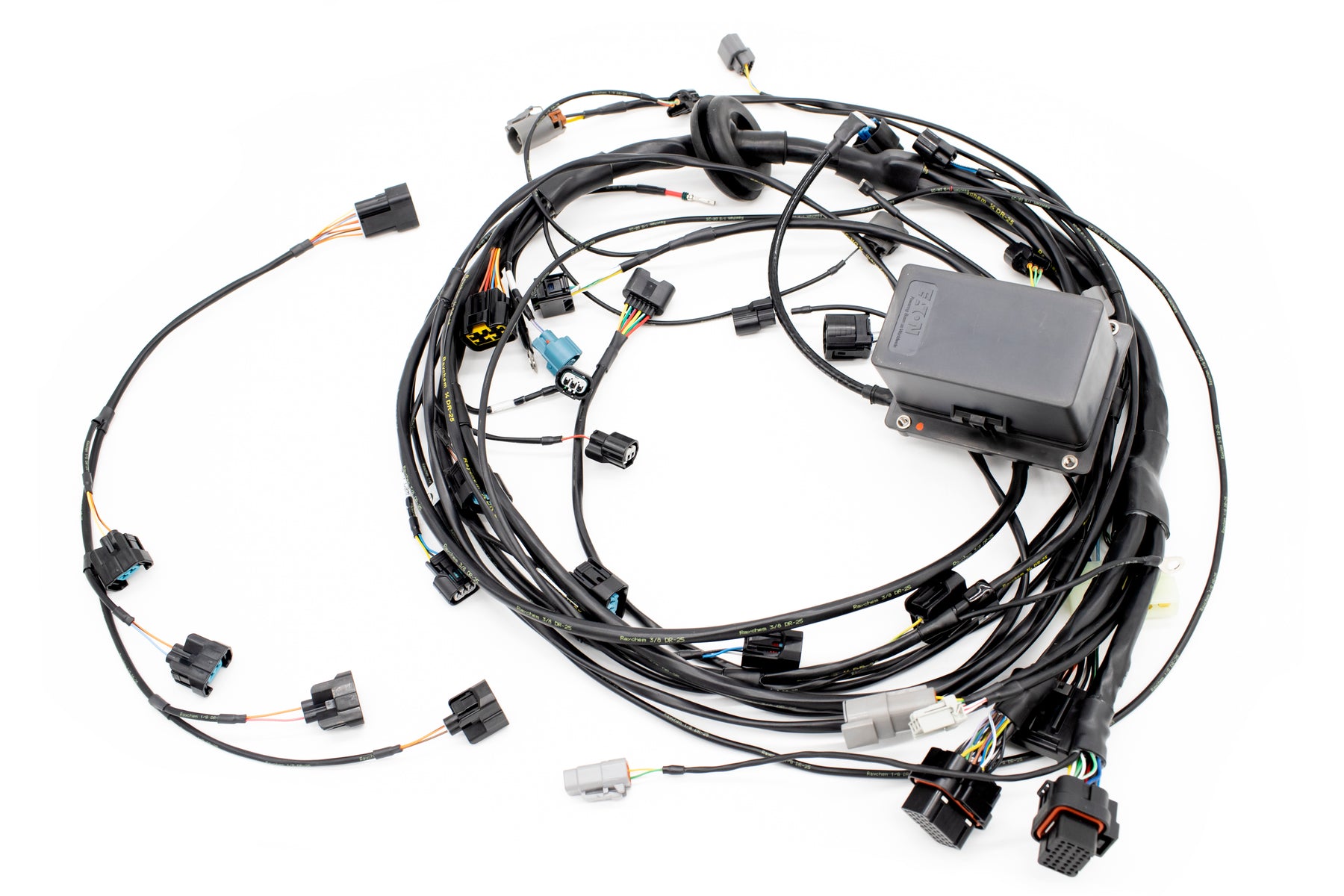
KPower K Swap All-In-One Swap Wiring Harness for 1990-2005 Mazda Miata (NA NB)


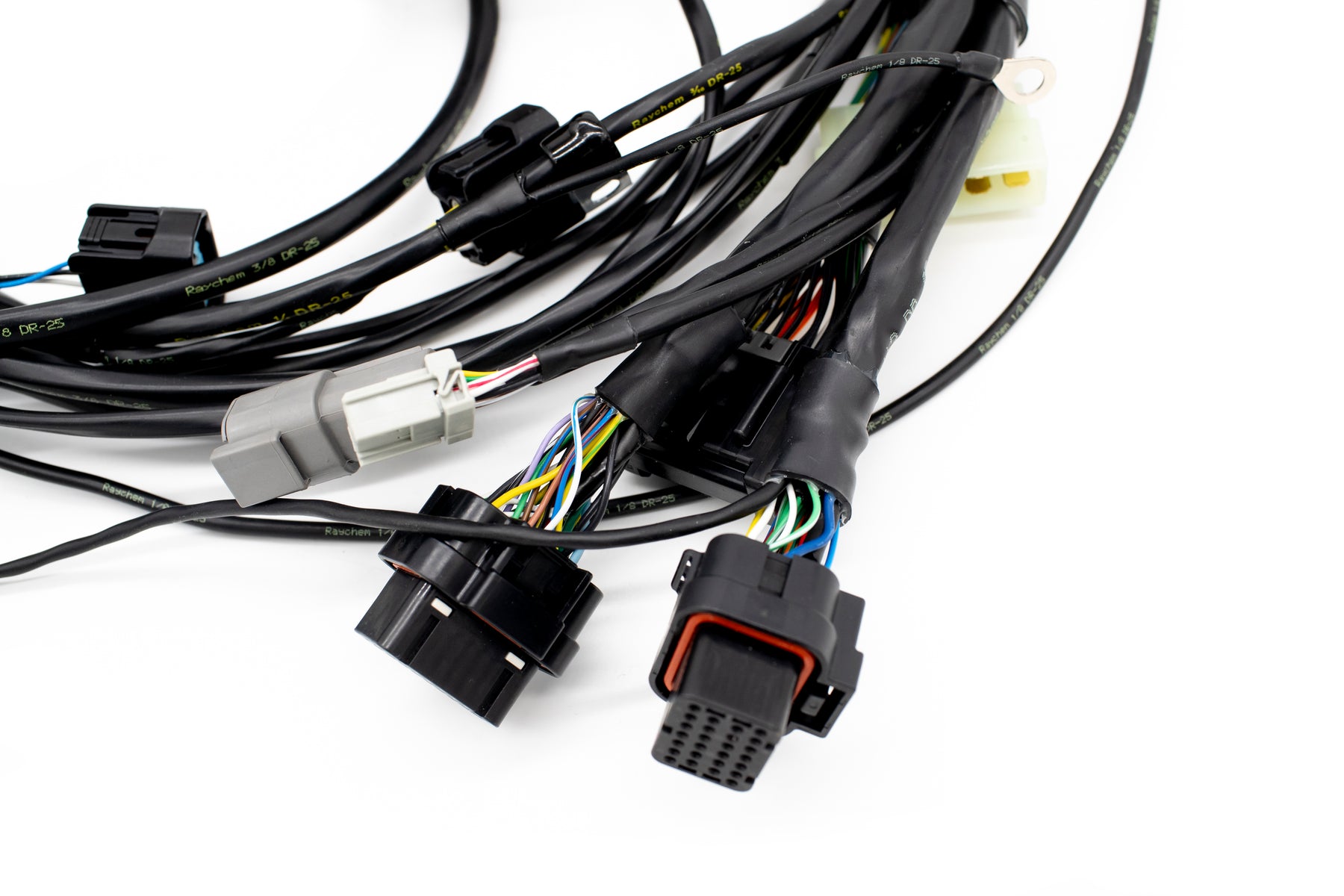

KPower K Swap All-In-One Swap Wiring Harness for 1990-2005 Mazda Miata (NA NB)

Product Update: Due to the discontinuation of the Haltech Elite 1500 ECU, KPower is transitioning this product to accommodate the new Haltech S2 ECU and wideband sensor.
All harnesses and packages ordered after August 19, 2026 will ship configured for the Haltech S2 ECU and, where applicable, include the S2 ECU and wideband sensor.
Some products may experience extended lead times during this transition. Please contact us before ordering if you would like a current lead-time estimate.
This harness is made to order, please allow a few weeks for production and shipping.
Our new all-in-one Haltech engine and conversion harness streamlines and transforms the way K swaps are wired in the NA and NB Miata chassis. There are so many features and possible configurations packed into this new harness. Most notably:
-Compatible with a new ECU option: Haltech Elite 1500
-Available for both cable and drive-by-wire throttle
-Multiple injector subharnesses available for any application
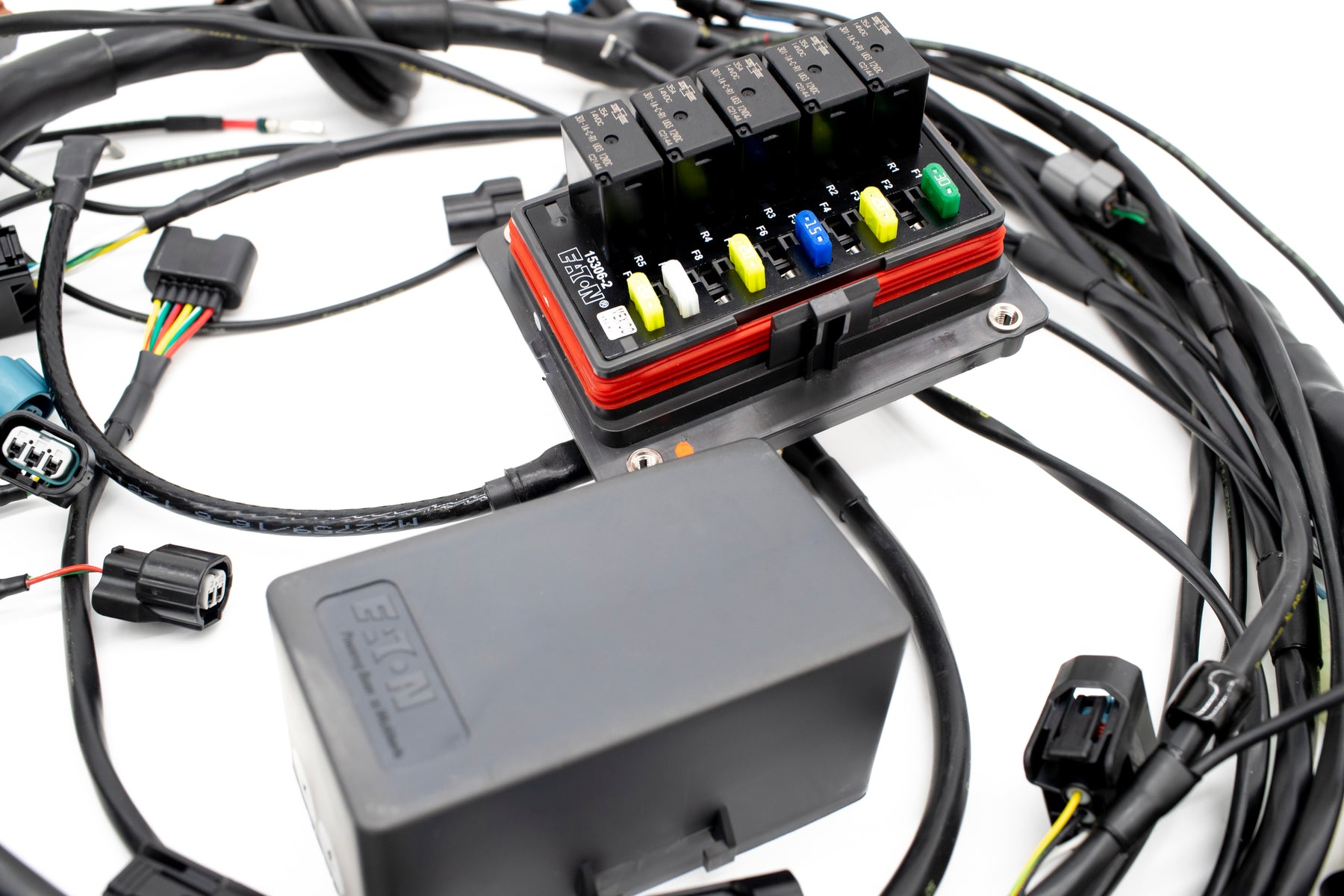
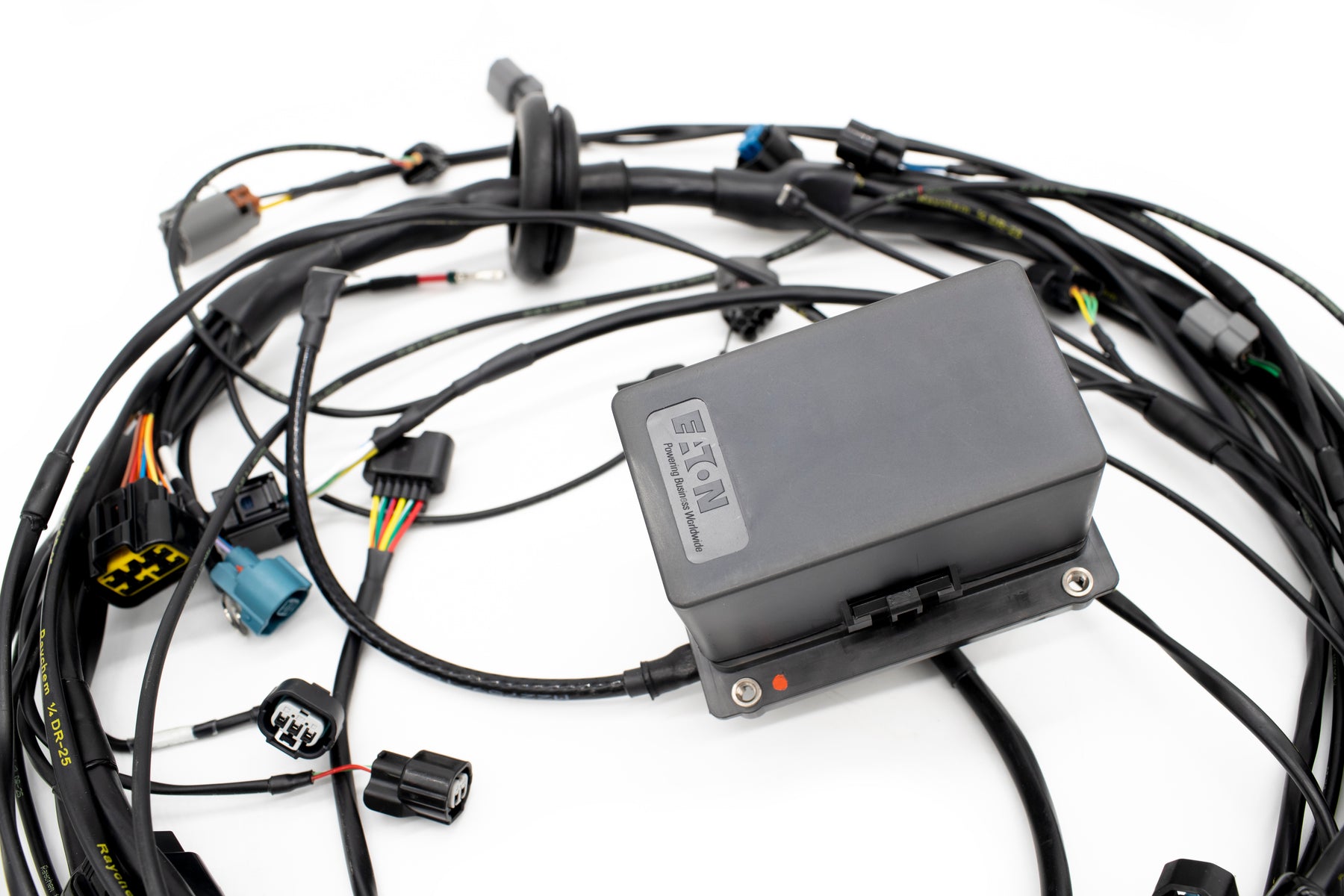
-Built-in fuse and relay box for simple, straightforward, and reliable wiring
-No more dash removal! The supplied sub-harness needs to be spliced to the gauge cluster pins, and one 12 gauge fuel pump wire run to the tank, but the dash can now remain in the vehicle
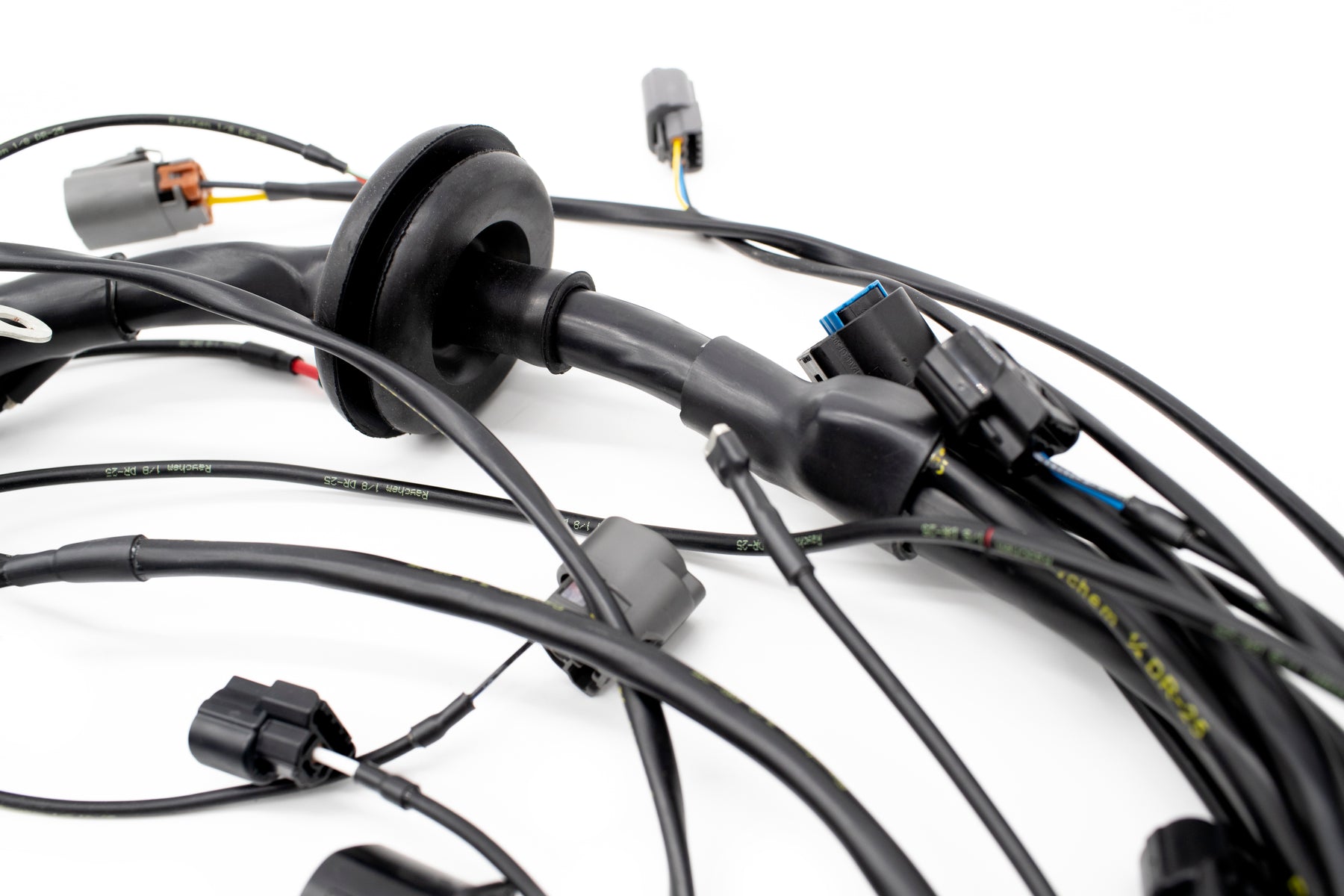
-Motorsports grade construction. 100% brand new connectors, Teflon coated wire, and Raychem DR-25 loom
-Haltech harnesses are pre-wired for the Bosch oil pressure and temperature sensor and CAN wideband controller
-Pre-wired for A/C, radiator fans, and flex fuel
-Configurations available for both K24A and K24Z sensors
-DBW version includes connector for a 2nd gen Honda Fit throttle pedal. To be paired with our Fit pedal adapter
-includes under-dash subharness
-Includes fuse box bracket for easy mounting under the hood
-Installation instructions can be downloaded here
This harness replaces the original KPro conversion harness, as well as the OEM engine harness (or KPower RWD harness). If you'd like to use KPro, please order our original conversion harness and engine harness of your choice.
Confused on ECU and wiring options? Check out our blog for the Miata and universal applications!
Note: for the NA chassis, a 2" hole needs to be drilled in the center of the firewall to accept the supplied grommet.
KPower Recommended Supporting Products: